May 2026 Update: What the Numbers Are Showing
Eight months into the water crisis, the numbers on North Padre Island are telling a more complicated story than most people expected.
According to the Corpus Christi Association of Realtors monthly reports, Padre Island home values have not yet meaningfully cracked — and have actually risen in recent months despite the water crisis worsening:
- March 2026 median home price: $401,734, up 5.7% from March 2025
- February 2026 median: $374,950, down 11.3% year-over-year (the lowest point this cycle)
- December 2025 median: $365,000, up 2.2% from December 2024
- Active listings (February 2026): 330 homes, up 14.6% — more inventory but not a glut
- Time to sell: 51 days faster than last year (81 days on market plus 30 days to close)
The Whitecap NPI development is actively opening Phase 1 lot sales, and the city is moving forward with beach renourishment and tourism infrastructure for the 2026 season. New construction is expanding, not contracting.
Why Hasn’t the Market Reacted Yet?
Several plausible explanations, and I want to name them honestly:
The Island sits on sand. The foundation crisis quietly building on the mainland — clay-soil neighborhoods facing $20,000 to $30,000 in repair bills as their soil shrinks during drought — does not affect Island homes the same way. This is a real, if rarely named, structural advantage that the market may eventually price in.
Many buyers come from out of region. Out-of-state and out-of-area buyers often do not yet factor a local water crisis into their purchase decisions. Local urgency does not always reach distant buyers in time.
Coastal real estate has historically defied risk pricing. Peer-reviewed research published in 2024 documented this exact phenomenon — that U.S. coastal communities continue attracting high-income residents and rising property values despite mounting climate and water risks. Markets price these risks slowly, often only after a crisis event forces them to.
What to Watch in the Next Six Months
Several specific data points will tell us whether the market is genuinely insulated from the water crisis or just slow to react:
- The September Level 1 Emergency trigger. If the city moves to Level 1 Water Emergency restrictions in September 2026 as projected — limiting residents to 5,250 gallons per month with $500 fines — that is the kind of news event that forces market reaction.
- Insurance rate filings. Texas property insurance carriers have been quietly raising rates across coastal Texas for years. New rate filings tied specifically to drought risk would be a leading indicator.
- Summer 2026 tourism numbers. If the water crisis tanks the rental market and short-term rental income, that pressure transmits to sale prices over the following 6 to 12 months.
- Hurricane season. A storm strike during a Level 1 Emergency would compound risk in ways the current data does not capture.
- Mainland foundation damage claims. As clay-soil homes start failing in larger numbers, the market will eventually price the difference between Island and mainland properties.
For now, the honest answer is that North Padre Island home values have absorbed the water crisis better than expected. Whether that continues depends largely on what happens between now and the end of 2026 — particularly whether the city actually triggers Level 1 restrictions in September, and whether hurricane season tests Coastal Bend infrastructure that is already strained.
I will keep updating this post as the data comes in.
*** Data from the Corpus Christi Association of Realtors monthly reports
Original Post 03/27/2026
North Padre Island is part of the City of Corpus Christi and draws from the same water system, so residents and businesses there are subject to the same restrictions hitting the rest of the city.
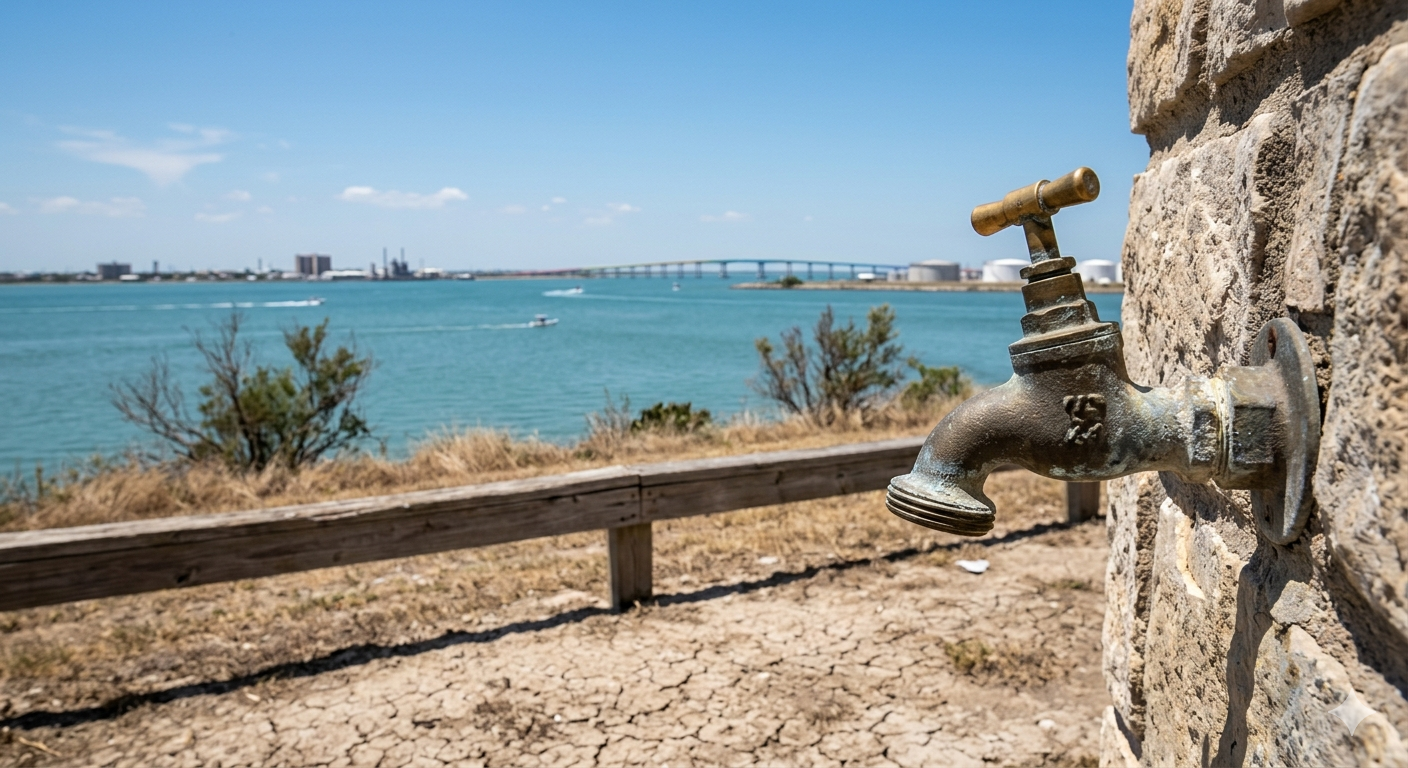
Right now: The city is in Stage 3 drought — regular lawn watering and automatic irrigation systems are banned. Residents are being asked to hand-wash cars and boats with 5-gallon buckets, and vegetable gardens can only be watered with a handheld hose. The Texas Tribune For an island community built around outdoor living, boating, and beach culture, that stings.
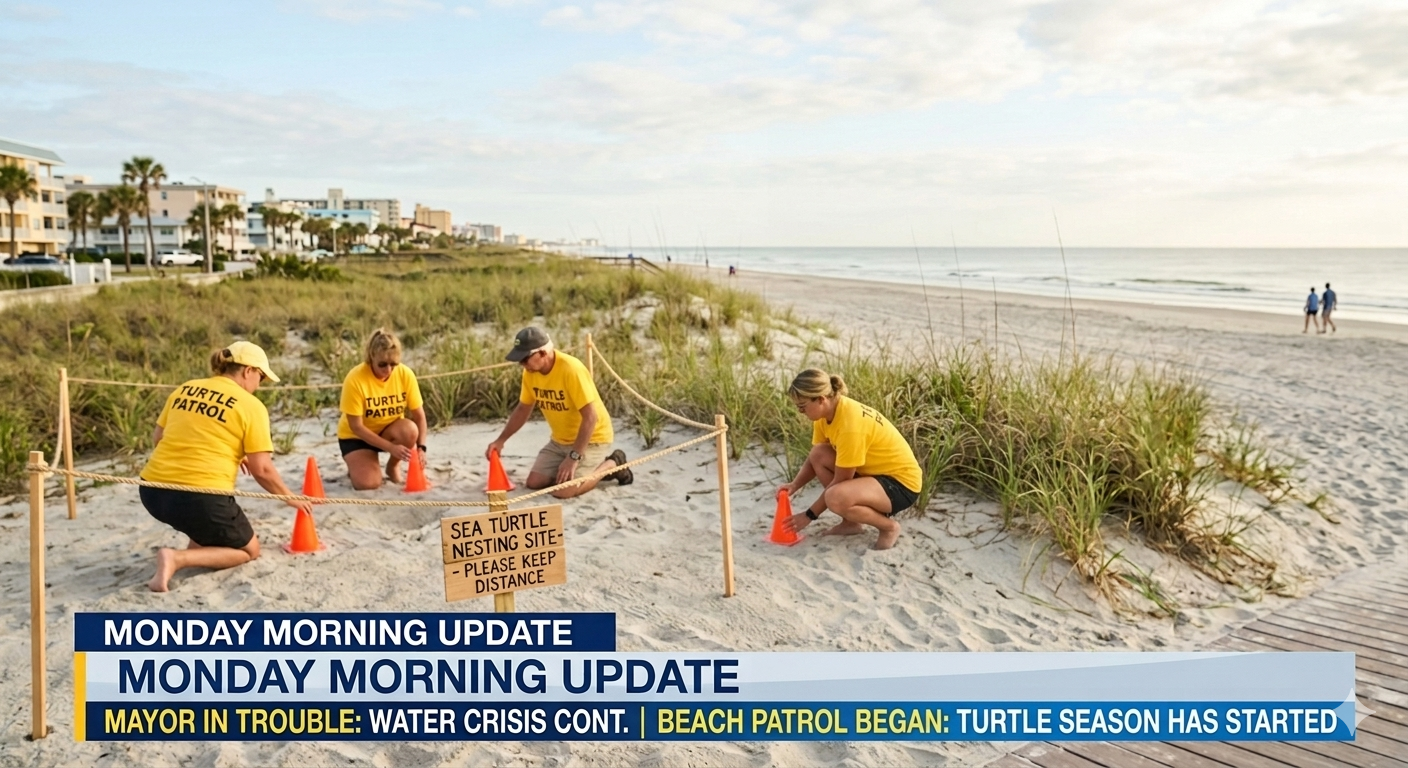
This summer: The city plans to limit the number of days splash pads are open over summer break. The Texas Tribune That’s a direct tourism hit right as the island enters its busiest season.
The bigger threat — tourism and hospitality: If the city formally declares a Level 1 water emergency this summer, it would require a 25% reduction in water use across the board, with no clear plan yet for how those cuts would be implemented and enforced. Grist Hotels, vacation rentals, restaurants, and beach businesses on the island — which depend heavily on summer visitors — would all face pressure. The carwash example from the Grist report applies directly: businesses like carwashes could face an existential crisis, and owners are looking into whether they could draw from alternative water sources like private wells. Grist
Property values and development: Uncertainty about long-term water supply is a significant concern for real estate on the island. Buyers, developers, and investors looking at North Padre Island properties will increasingly factor in water risk — and the political chaos around it doesn’t help confidence.
MAYOR CRISIS — Indirect but Real Impact
The mayor situation doesn’t directly affect water service to the island, but it compounds the problem in a few important ways.
Distraction from the water emergency: Council member Mark Scott, who voted against moving forward with the removal process, said the council should be focused on the city’s imperiled water supply instead. The Texas Tribune With an April 14 procedural hearing and a potential two-month removal trial ahead, city leadership is now split between two consuming crises at once.
Developer confidence: Council member Roland Barrera warned that the high-profile proceedings will discourage developers from considering doing business in Corpus Christi. “Don’t come to Corpus Christi, don’t come to downtown,” he said, describing the signal it sends. News From The States For North Padre Island, which has been trying to attract resort development and tourism investment for years, this kind of political instability is a real headwind.
Reputation damage: A former mayor warned the city is getting “two black eyes — one for the water and one for the way the council’s acting.” KIII TV For an island that markets itself as a tourism and vacation destination, the national media spotlight on Corpus Christi as a city in crisis — water and political — is not a good look heading into spring break and summer season.
Bottom line for North Padre Island residents: The water restrictions are already affecting daily life, and the summer tourist season is arriving right as the crisis could escalate to emergency levels. The political turmoil at City Hall makes it harder to trust that decisive, coordinated action is coming quickly enough to protect the island’s economy and quality of life.